Uttarakhand cold wave: districts told to stock food and fuel till March as USDMA issues guidelines
The guidelines name night shelters, bonfires and rapid response teams down to village level, but the reports reviewed give no budget or shelter count.
Written with AI assistance from the sources listed below, then checked against them and reviewed by an editor. How our newsroom works
The Uttarakhand State Disaster Management Authority (USDMA) on Monday, 16 November, sent guidelines to every district to prepare for an Uttarakhand cold wave, Indian Opinion reported. The directions tell officials to keep rapid response teams ready, open shelters and bonfire points, and stock remote Himalayan areas with food and fuel until March. Secretary Vinod Kumar Suman said Chief Minister Pushkar Singh Dhami and minister Madan Kaushik had ordered public safety to come first.
Uttarakhand cold wave: what the guidelines order
All districts must update their Cold Wave Action Plans and keep rapid response teams active at the district, tehsil, development block and village levels, Indian Opinion said. Every department involved will name a nodal officer for cold wave work, Newsnation reported. Forecasts and cold wave warnings from the India Meteorological Department are to reach all blocks, tehsils and panchayats on time.
Officials must also find and monitor people at risk. Newsnation listed the elderly and people living alone, newborns and young children, pregnant women, people with disabilities, outdoor labourers and homeless people. Districts have been asked to build a database of pregnant women.
USDMA guidelines for night shelters and bonfires
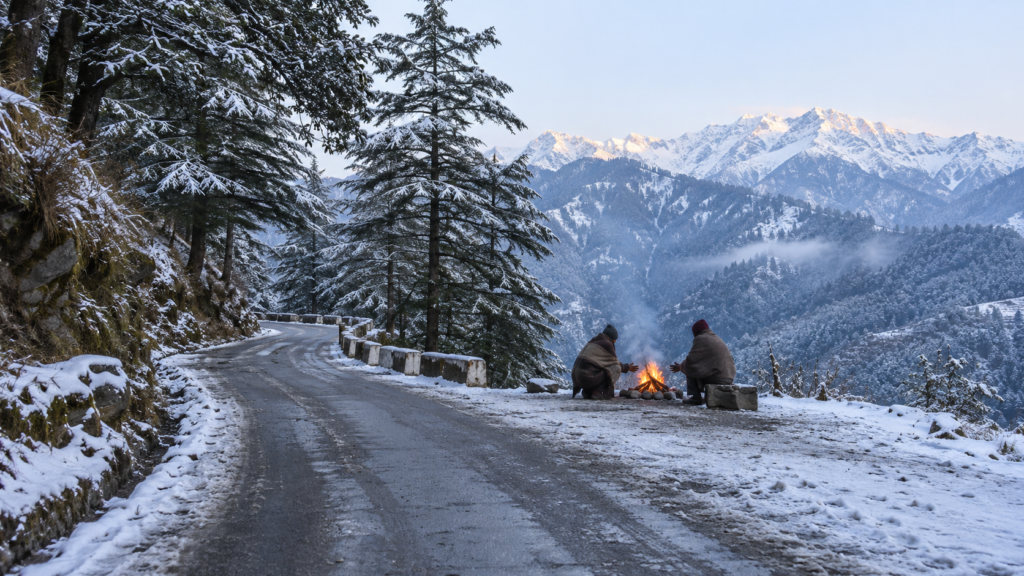
Authorities have been told to arrange night shelters, bonfires and fully prepared health centres. Newsnation reported that bonfires are to be lit at public places, markets, bus stands, railway and passenger points, hospitals and labour areas in the coldest zones, with enough fuel and supervision of safe use. On roads hit by frost, lime and salt are to be spread regularly.
Key numbers
- 16 November 2026: the day USDMA issued the guidelines to all districts, per Indian Opinion.
- Four levels: district, tehsil, development block and village, where rapid response teams must stay active, per Indian Opinion.
- March: the month until which food, fuel and other essentials must be stocked in areas that may be cut off, per Newsnation.
Rations and fuel until March in cut-off areas
Remote, high-altitude Himalayan areas that may be cut off by the cold or snowfall must be stocked in advance “with food, fuel, and other essential commodities until the month of March”, Indian Opinion said, citing Suman. Newsnation listed grain, diesel, petrol, LPG cylinders and other daily necessities. The aim, it said, is that local people do not face shortages if snow blocks the roads.
What the secretary said
Suman said the chief minister and Kaushik “have prioritised public safety during the cold wave”, directing departments to coordinate and keep essential services running, according to Indian Opinion. Newsnation quoted him as saying the instructions put public safety first.
What happens next
Districts must now update their plans and name nodal officers before the Uttarakhand cold wave sets in. NIS reported earlier on fresh snow at Badrinath before the shrine closed for winter, and residents are also filling in the census self-enumeration form online. The reports reviewed do not say how many shelters will open or which districts the weather office expects to be hit first.
Areas that may be cut off by snow are told to stock supplies months ahead, which puts the burden on district administrations to move grain and fuel before roads close. Pregnant women, newborns, the elderly and outdoor labourers are named as groups to track, so the quality of district lists will decide who gets help first. The reports reviewed give no budget or shelter targets, so the plan's reach will be clear only after the first cold spell.